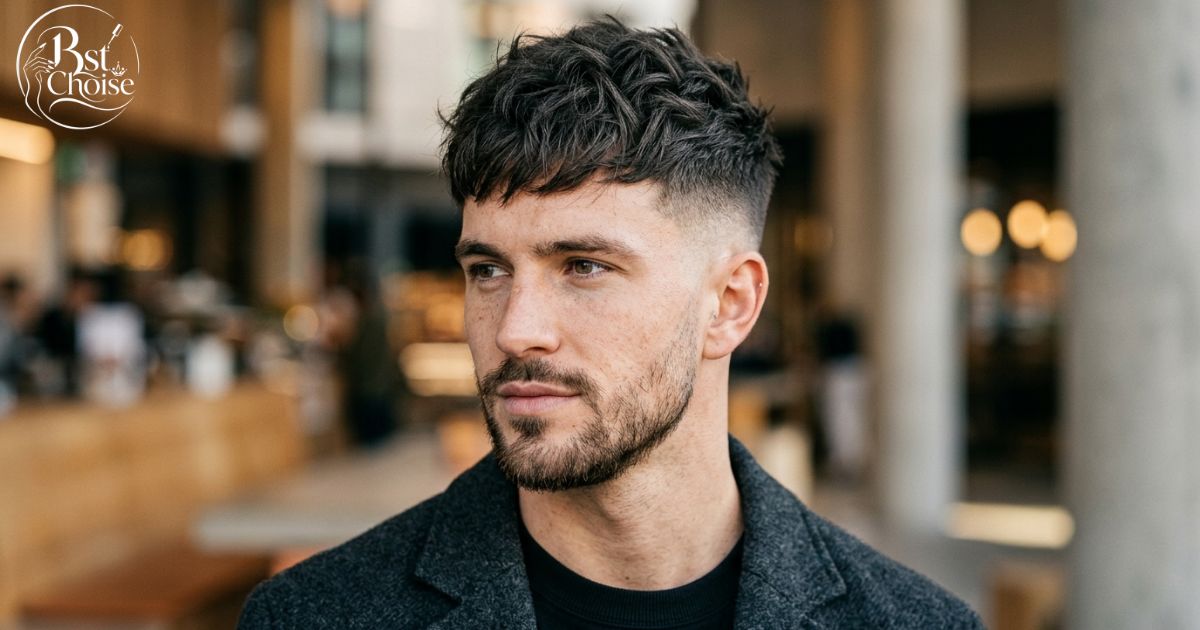

Barbers have a name for the request that walks through the door more than any other right now: “short on the sides, textured on top, nothing fussy.” That request is the textured crop, and it has quietly become the default modern men’s haircut, the one that works in a boardroom, a gym parking lot, and a first date without changing a single thing about how it’s styled.
What makes the textured crop different from a standard short haircut is the cutting technique, not just the length. Barbers remove weight from inside the hair using point-cutting, razoring, or slide-cutting so the top breaks apart into natural, piecey sections instead of sitting as one flat block. Pair that with a tapered, faded, or scissor-finished side, and you get a cut that looks deliberate even when you’ve barely touched it with product.
Below are 20 distinct takes on the textured crop, organized by hair type, face shape, and lifestyle, along with the pros, cons, and styling notes for each, plus guidance on choosing the right variation, talking to your barber, and avoiding the mistakes that make texture look messy instead of intentional.
What Is a Textured Crop Haircut?
A textured crop is a men’s haircut with short, tapered, or faded sides and a longer top that’s cut in layers to create movement, separation, and a lived-in finish rather than a smooth, uniform shape.
The defining feature isn’t length, it’s the cutting technique. Barbers use:
- Point-cutting, snipping into the ends at an angle rather than straight across, so hair breaks apart into soft, uneven pieces.
- Razor texturizing, using a straight razor to thin sections and add movement.
- Slide-cutting, sliding the shears along the hair shaft to remove bulk while keeping length.
The result is a top that has visible separation, a fringe that can sit anywhere from mid-forehead to just above the brow, and sides that are cropped, tapered, or faded to keep the whole shape balanced. It’s often confused with the French crop, but the French crop leans on a blunt, straight fringe, while the textured crop deliberately breaks that line up.
Why the Textured Crop Remains One of the Best Men’s Haircuts
Hairstyles come and go every season, but the textured crop keeps holding its spot at the top of barbershop request lists for a few practical reasons:
- It flatters nearly every hair type. Thick hair loses bulk, fine hair gains the illusion of density, and wavy or curly hair gets to show off its natural pattern instead of fighting it.
- It’s forgiving of face shape. Because the fringe length and side taper can be adjusted, the same base cut can be tweaked to suit round, square, oval, or heart-shaped faces.
- It’s low-maintenance by design. The layering does most of the styling work, so a small amount of product and a few finger passes through damp hair is often all it needs.
- It ages well between visits. Unlike a sharp fade that looks its best on day one and grows out awkwardly, textured layers soften gradually, which stretches out the time between trims.
- It reads as intentional at any length of effort. A slightly undone textured crop still looks styled, which is not true of most short haircuts.
How to Know If a Textured Crop Is Right for You
Ask yourself a few honest questions before booking the appointment:
- Do you want a haircut that looks good with five minutes of effort or less?
- Are you trying to manage hair that’s either too thick and heavy, or too fine and flat?
- Do you want something that works equally well for the office and the weekend?
- Are you comfortable visiting the barber every four to six weeks to keep the shape sharp?
- Do you want a hairstyle with texture and movement rather than a slicked, polished finish?
If most of those land as “yes,” a textured crop is one of the safer, more versatile choices you can make. If you’re chasing dramatic length changes or want a hairstyle you can wear a completely different way every day, a longer cut might suit you better.
1. Classic Textured Crop
This is the version every other entry on this list borrows from. The top sits a few inches longer than the sides, cut into soft, irregular layers, while the sides are cropped short with scissors or clippers. Nothing about it is loud, the appeal is in how balanced and wearable it is.
Best For: First-time crop wearers and everyday versatility. Hair Types: Straight, medium-thick, slightly wavy. Face Shapes: Oval, square, diamond. Maintenance: Every 4–5 weeks. Styling Products: Matte clay or a lightweight texture paste.
Pros
- Works with almost any wardrobe or setting
- Simple to describe to a new barber
- Grows out without losing its shape
- Low product requirement
Cons
- Can look plain without at least some texturizing at the ends
2. Low Taper Textured Crop
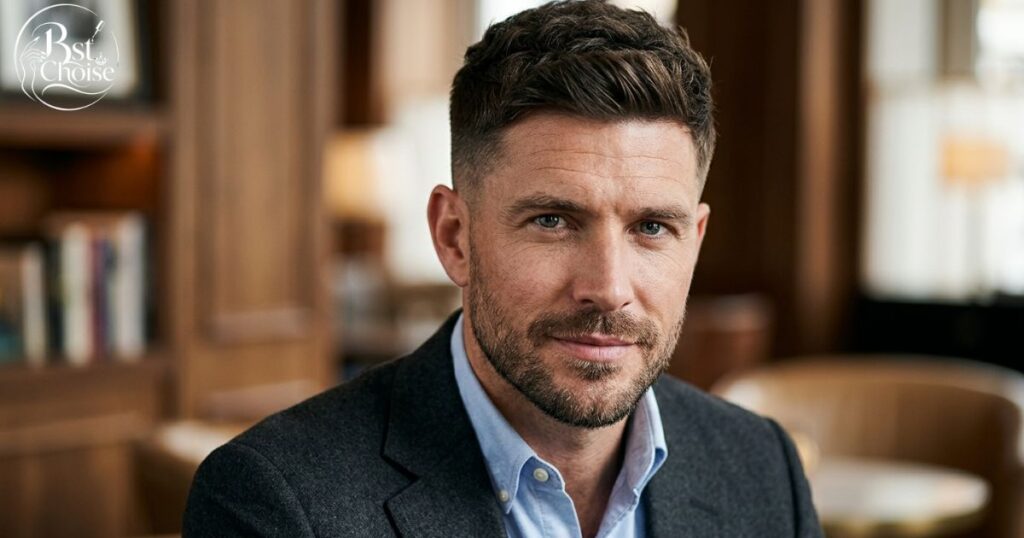
Instead of a hard line between the top and sides, this version blends the hair down gradually into the neckline. It’s the quiet, professional cousin of the crop, noticeable enough to look current, subtle enough to pass in a conservative workplace.
Best For: Office environments and conservative dress codes. Hair Types: Straight, wavy. Face Shapes: Oval, round, square. Maintenance: Every 4 weeks. Styling Products: Matte cream.
Pros
- Barely-there regrowth line means fewer noticeable “grow-out” weeks
- Professional without looking dated
- Complements almost any top length
Cons
- Less visual contrast than a fade, so it can look less “styled” from a distance
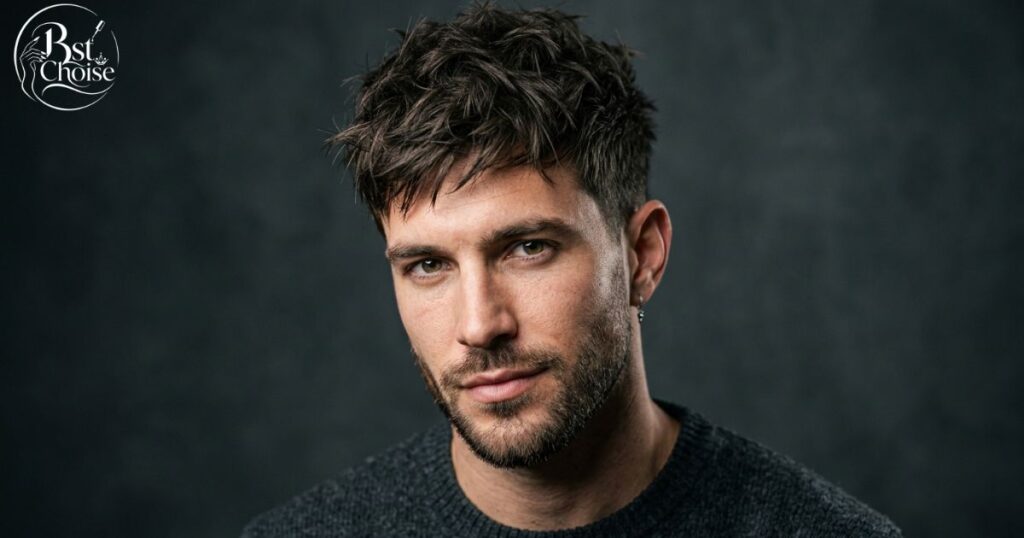
3. Choppy Textured Crop
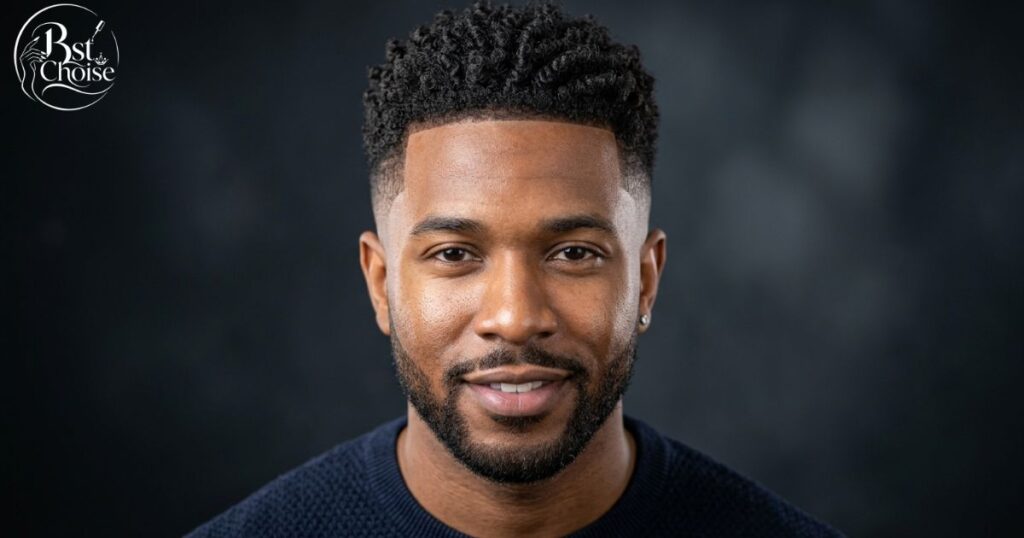
This one leans hard into separation. Instead of soft, blended layers, the top is deliberately broken up into distinct chunks and pieces, the kind of texture you can see from across the room. It’s a favorite for thick or coarse hair that needs weight removed without losing volume.
Best For: Thick or coarse hair carrying too much bulk. Hair Types: Thick, coarse. Face Shapes: Square, oval, diamond. Maintenance: Every 4 weeks. Styling Products: Texture powder plus a matte paste.
Pros
- Removes weight while keeping visual fullness
- Strong, modern silhouette
- Fast to style, fingers, not a brush, do most of the work
Cons
- Uneven results if the barber isn’t experienced with heavy layering
Read More: Nail Art Rainbow Design
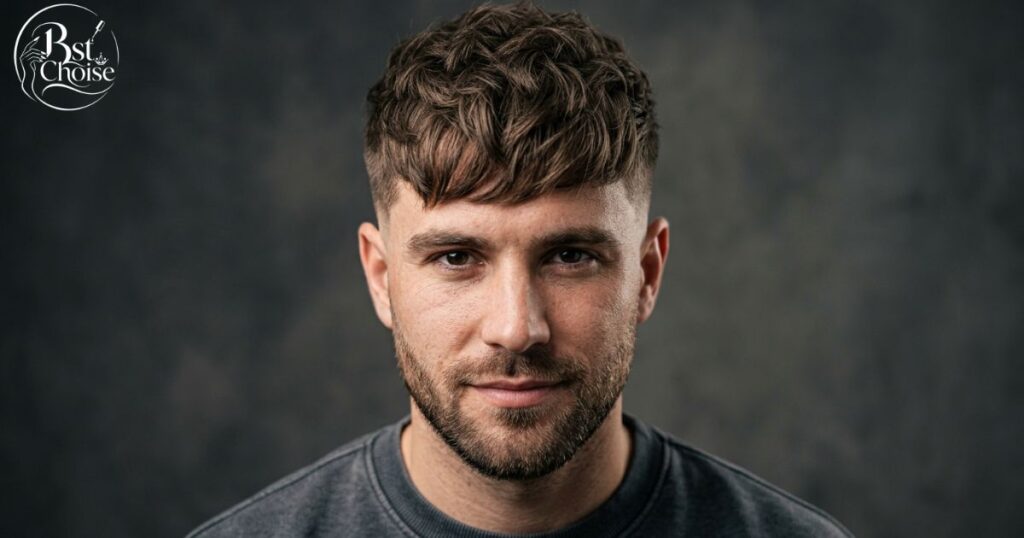
4. Forward Fringe Textured Crop
The top is directed forward and down toward the brow rather than up or to the side, giving the whole haircut a softer, younger feel. It’s one of the better options for anyone self-conscious about a receding hairline or a larger forehead.
Best For: Softening a prominent forehead or hairline. Hair Types: Straight, fine, wavy. Face Shapes: Heart, long, oval. Maintenance: Every 4 weeks. Styling Products: Sea salt spray for texture without weight.
Pros
- Frames the upper face effectively
- Reads as youthful and current
- Easy to style with just fingers and spray
Cons
- The fringe grows out fastest and needs the most frequent trims
5. Ivy Textured Crop
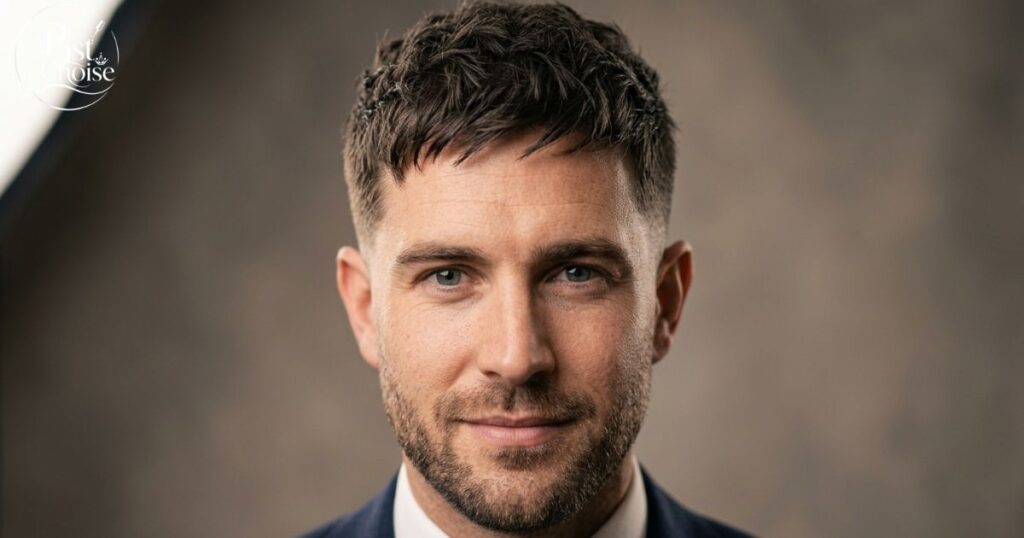
A modern reworking of the Ivy League cut, this version keeps a slightly longer top with a gentle side sweep, but replaces the traditional glossy finish with matte texture. It’s the crop for someone who wants to look put-together without looking overly formal.
Best For: Business-casual and smart-casual settings. Hair Types: Straight, medium, thick. Face Shapes: Oval, square, diamond. Maintenance: Every 4–5 weeks. Styling Products: Lightweight grooming cream.
Pros
- Straddles formal and casual without effort
- Timeless shape that doesn’t chase trends
- Flatters most bone structures
Cons
- Doesn’t translate as well to very curly textures
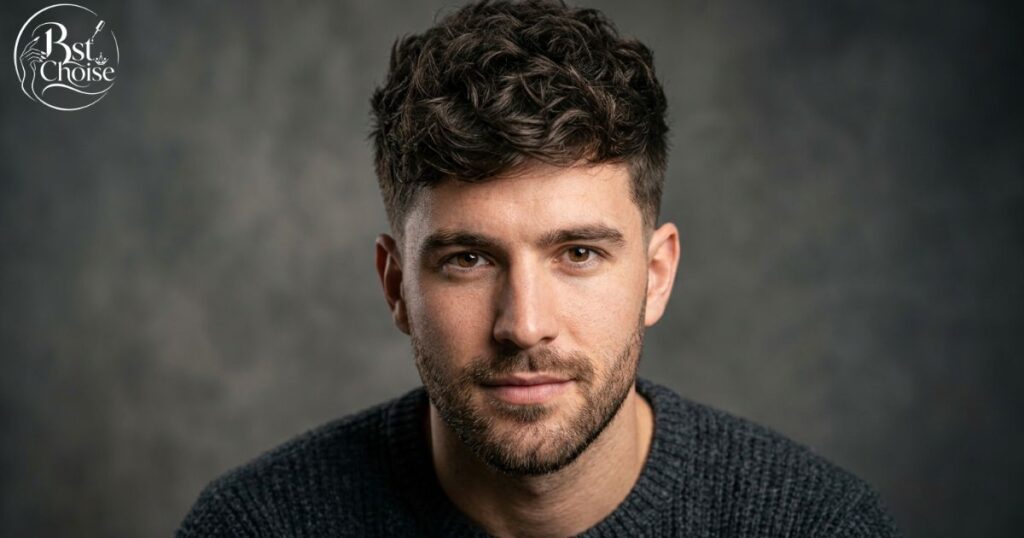
6. Thick Hair Textured Crop
Thick hair looks great fresh out of the chair and then turns into a helmet two weeks later, this variation exists specifically to prevent that. Rather than shortening the top, the barber thins it internally, so the hair keeps its length and fullness but loses the bulk that makes it hard to manage.
Best For: Naturally dense or coarse hair. Hair Types: Thick, coarse, dense. Face Shapes: Oval, square, round. Maintenance: Every 4–5 weeks. Styling Products: Matte clay or texture paste.
Pros
- Solves the “grows into a block” problem
- Feels noticeably lighter day to day
- Cuts down morning styling time
Cons
- Thick hair grows fast, so the shape needs regular upkeep
7. Wavy Textured Crop
Waves and textured crops were made for each other. The extra length on top gives natural waves room to actually form, instead of getting cut off before they develop, while the shorter sides keep the whole look from feeling shaggy.
Best For: Naturally wavy hair. Hair Types: Wavy. Face Shapes: Oval, diamond, heart. Maintenance: Every 5 weeks. Styling Products: Sea salt spray or a matte styling cream.
Pros
- Works with your hair’s natural pattern instead of against it
- Actually improves with a little humidity and movement
- Minimal daily styling required
Cons
- Can frizz in very humid climates without the right product

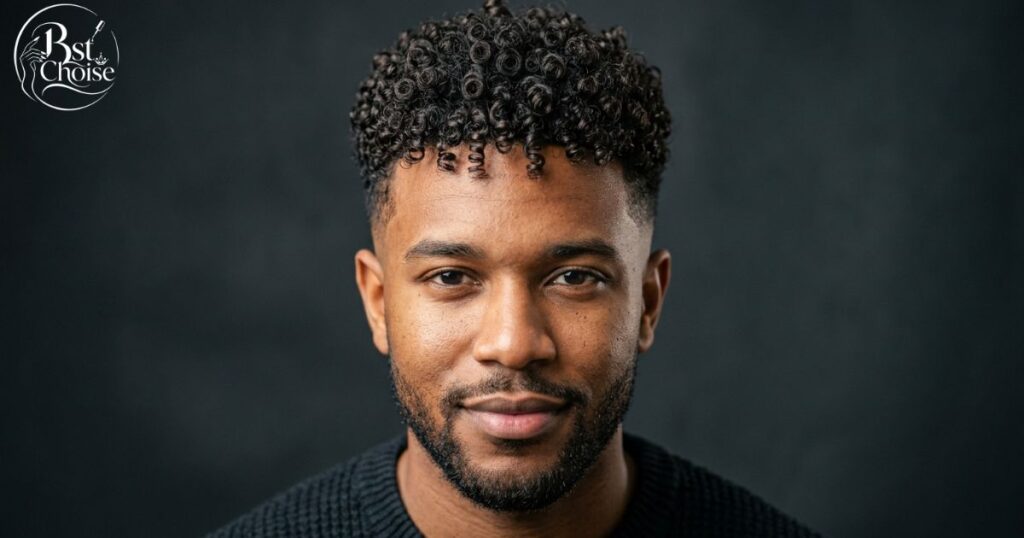
8. Curly Textured Crop
Curly hair already has natural texture built in, this cut simply gives it room to do its thing. The top stays long enough for full curl formation while the sides stay tight, which keeps the whole silhouette from ballooning outward.
Best For: Naturally curly or coily hair. Hair Types: Curly, coily. Face Shapes: Oval, square, heart. Maintenance: Every 5–6 weeks. Styling Products: Curl cream or a leave-in conditioner.
Pros
- Highlights natural curl pattern instead of fighting it
- Strong day-to-day definition
- Minimal heat styling needed
Cons
- Needs consistent moisture to avoid dryness and frizz
9. French Textured Crop
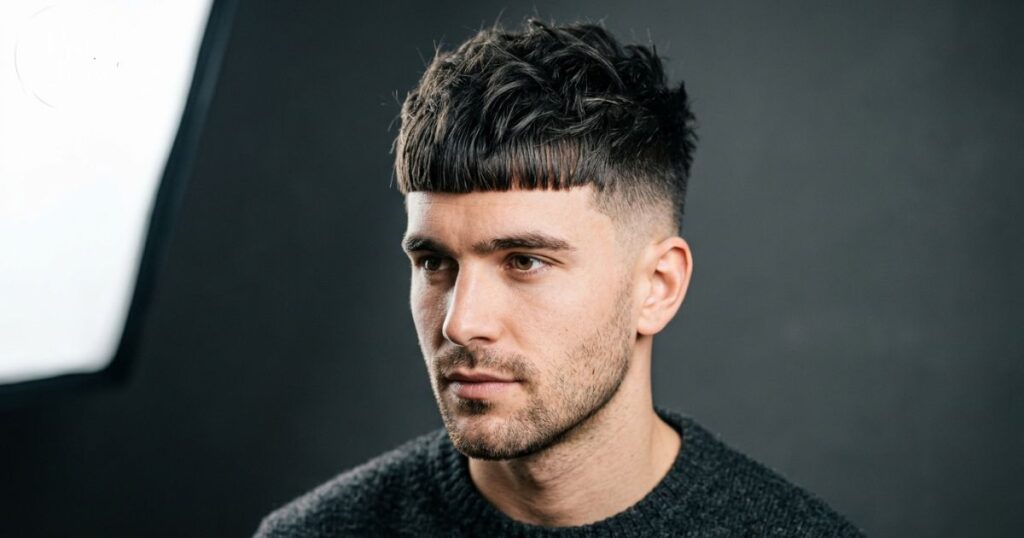
This is the textured crop’s closest relative, a modern update to the traditional French crop, where the once-blunt fringe gets softened with point-cutting so it moves instead of sitting flat. It keeps the classic proportions but trades the stiff finish for something more relaxed.
Best For: A structured cut with a softer edge. Hair Types: Straight, wavy. Face Shapes: Oval, round, heart. Maintenance: Every 4 weeks. Styling Products: Matte styling cream.
Pros
- Classic shape that still reads as current
- Softens a larger forehead
- Easy for most barbers to execute well
Cons
- The fringe needs regular trims to stay sharp
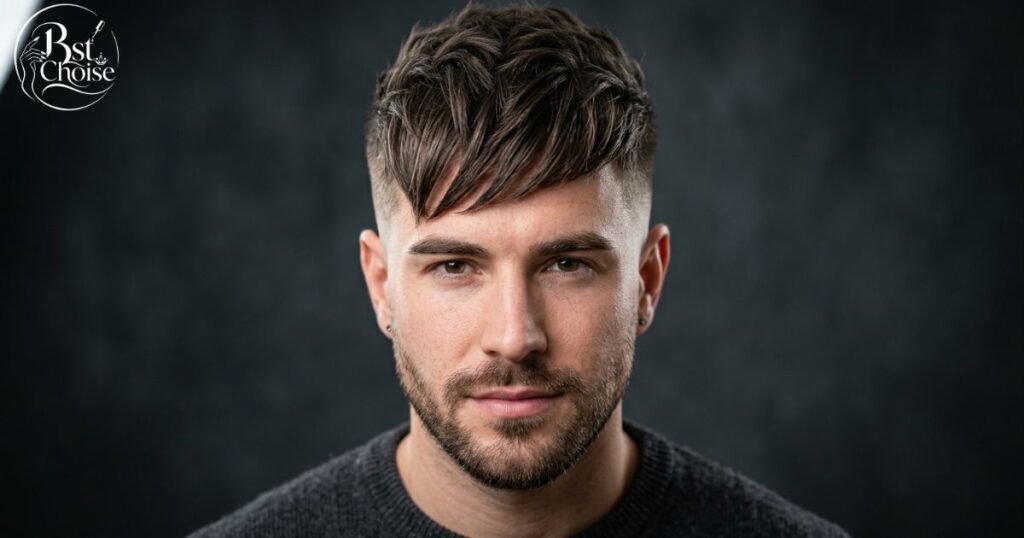
10. Soft Crop for Fine Hair
Fine hair usually loses when it’s cut too short, everything goes flat. This variation solves that by keeping the layering light and focusing on lift at the roots rather than heavy texturizing, so the hair reads as fuller than it actually is.
Best For: Fine or thin hair that needs volume. Hair Types: Fine, straight. Face Shapes: Oval, round, diamond. Maintenance: Every 4 weeks. Styling Products: Volumizing mousse and a touch of texture powder.
Pros
- Creates the appearance of thicker hair
- Lightweight, non-greasy styling
- Suits a younger, low-effort look
Cons
- Needs a quick blow-dry for the best volume, rather than air-drying

11. Brush Forward Crop
The top is combed forward and slightly down rather than styled up or to the side, which plays to how most men’s hair naturally grows. It’s arguably the fastest textured crop to style, because you’re working with the hair’s direction instead of against it.
Best For: Genuinely low-maintenance mornings. Hair Types: Straight, fine, wavy. Face Shapes: Oval, heart, long. Maintenance: Every 4–5 weeks. Styling Products: Matte clay or a light texture paste.
Pros
- One of the fastest crops to style
- Works with natural growth patterns
- Softens the forehead and draws focus to the eyes
Cons
- Offers little height for anyone who prefers more volume up top
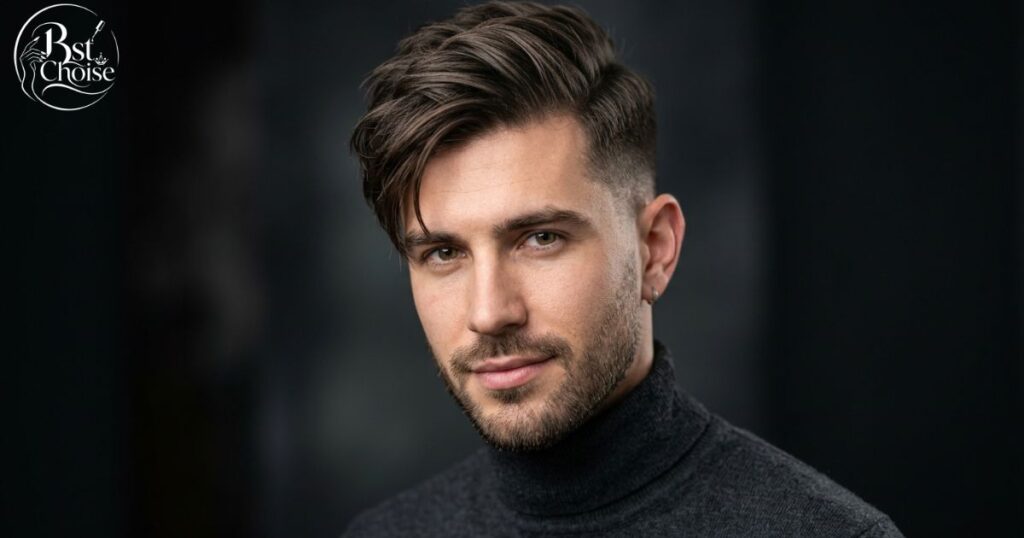
12. Side-Swept Crop
Rather than a hard part, the top flows naturally toward one side, giving the crop a bit more polish without tipping into formal side-part territory. It’s a good bridge for men coming from medium-length hair who aren’t ready to go fully short.
Best For: Transitioning from a longer hairstyle. Hair Types: Straight, wavy. Face Shapes: Oval, square, diamond. Maintenance: Every 4–5 weeks. Styling Products: Matte styling cream.
Pros
- Adds direction and polish without stiffness
- Comfortable middle ground between short and medium
- Suits nearly every occasion
Cons
- Doesn’t hold shape as well on very curly textures
13. Asian Textured Crop
Naturally thick, straight hair, common among many Asian hair types, tends to sit heavy and resist movement. This variation removes internal weight through careful layering so the top separates naturally instead of forming one dense mass, a technique widely used in modern Korean and Japanese men’s styling.
Best For: Thick, straight, resistant hair. Hair Types: Straight, thick. Face Shapes: Oval, diamond, heart. Maintenance: Every 4–5 weeks. Styling Products: Texture powder or matte clay.
Pros
- Solves the “too dense to style” problem
- Modern, internationally popular silhouette
- Preserves natural volume instead of flattening it
Cons
- Requires a barber comfortable cutting thick, straight textures
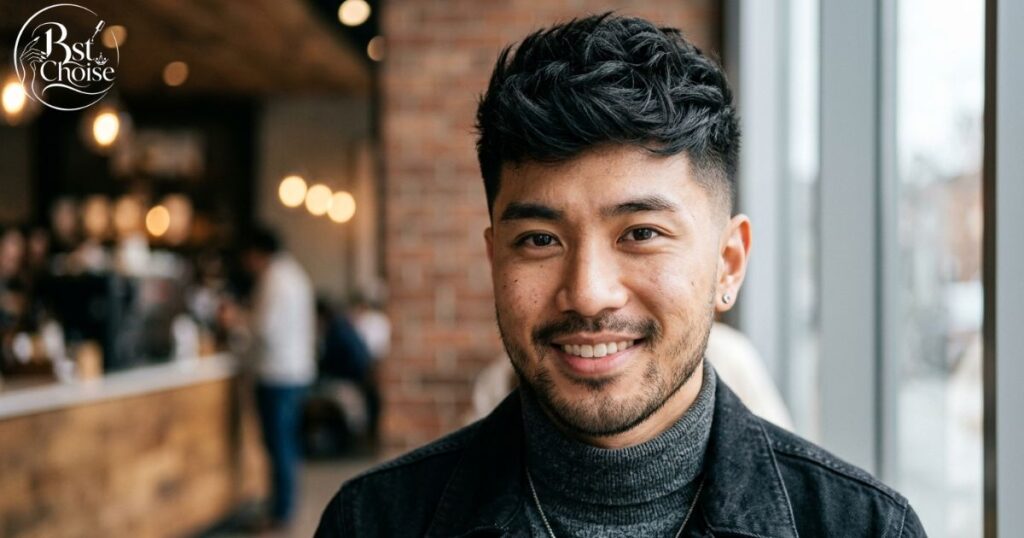
14. Textured Crop with Burst Taper
A burst taper curves gently around the ear instead of running in a straight line, and unlike a burst fade, it doesn’t go down to the skin. That makes it a softer, more conservative option for anyone who wants a bit of shape without a high-contrast fade.
Best For: A modern finish without a skin fade. Hair Types: Straight, thick, wavy. Face Shapes: Oval, round, square. Maintenance: Every 4 weeks. Styling Products: Matte paste.
Pros
- Adds definition without looking severe
- Smoother grow-out than a skin fade
- Professional-friendly
Cons
- Subtler effect than a full fade, so it may look understated to some
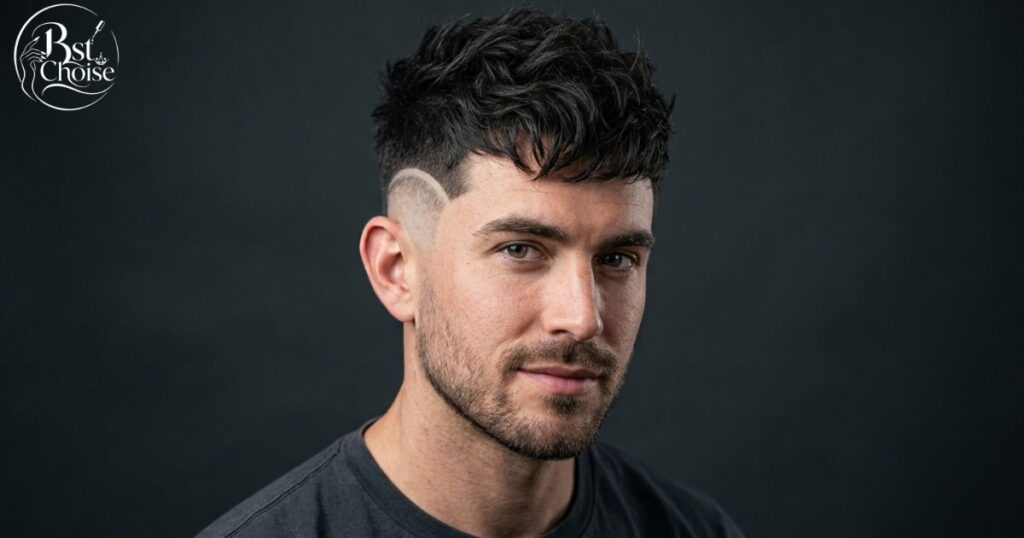
15. Textured Crop with Drop Taper
The taper drops down behind the ear before blending into the neckline, following the natural curve of the head rather than cutting a straight line. It’s a small detail that makes a noticeable difference for rounder or wider face shapes.
Best For: Refining the overall head silhouette. Hair Types: Straight, thick, wavy. Face Shapes: Round, oval, square. Maintenance: Every 4 weeks. Styling Products: Matte clay.
Pros
- Improves head shape and profile
- Adds subtle style without going trend-heavy
- Versatile enough for daily wear
Cons
- Needs consistent trims to keep the drop line clean
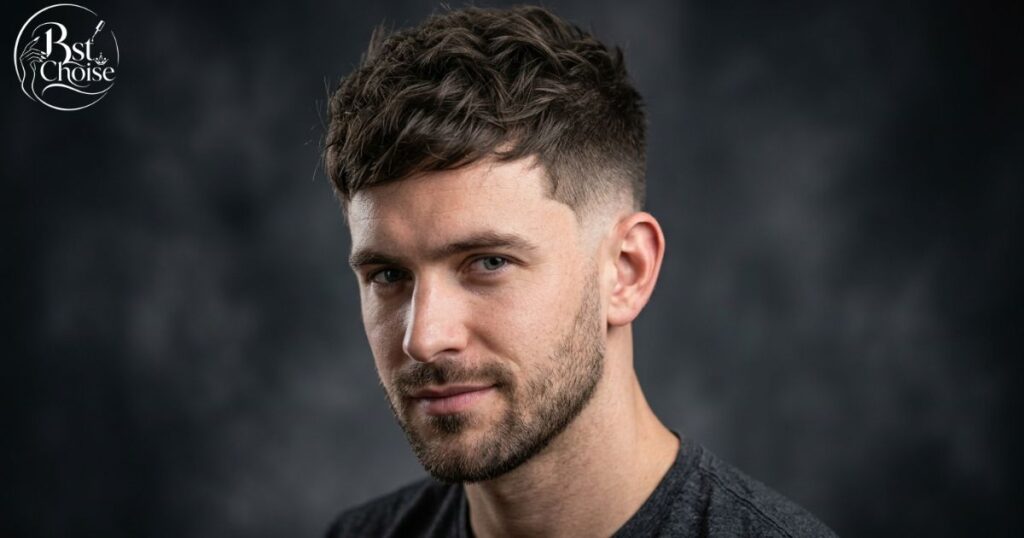
16. Long Textured Crop
For men who like the idea of a crop but aren’t ready to go short, this version keeps significantly more length on top while still cropping the sides. It can be worn forward, swept to the side, or lifted for volume, genuinely one of the more flexible entries on this list.
Best For: Multiple styling options from one haircut. Hair Types: Straight, wavy, thick. Face Shapes: Oval, diamond, heart. Maintenance: Every 5–6 weeks. Styling Products: Sea salt spray, matte paste.
Pros
- Several ways to style the same cut
- Easy transition point from medium-length hair
- Layers prevent it from looking flat or heavy
Cons
- Takes a bit more time to style than shorter crops
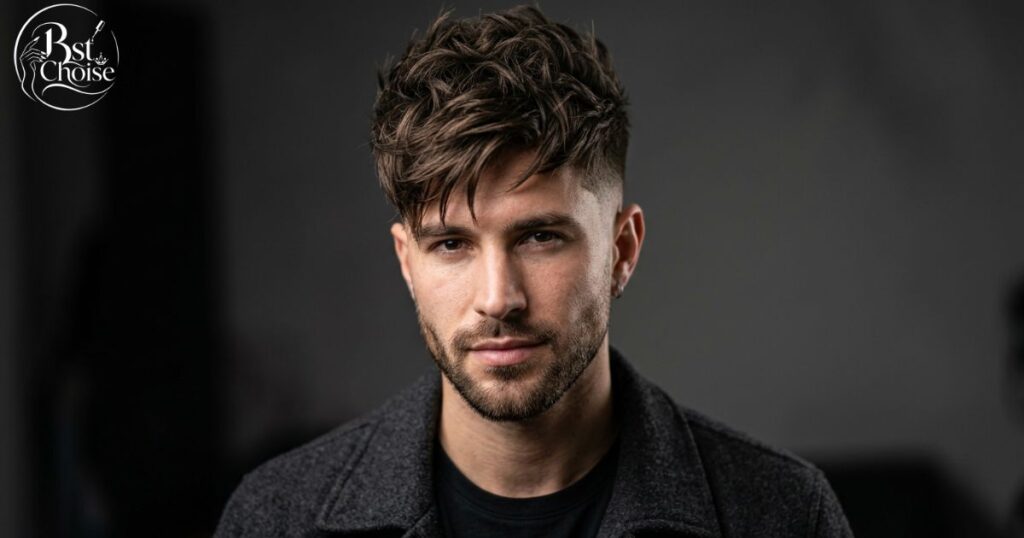
17. Messy Textured Crop
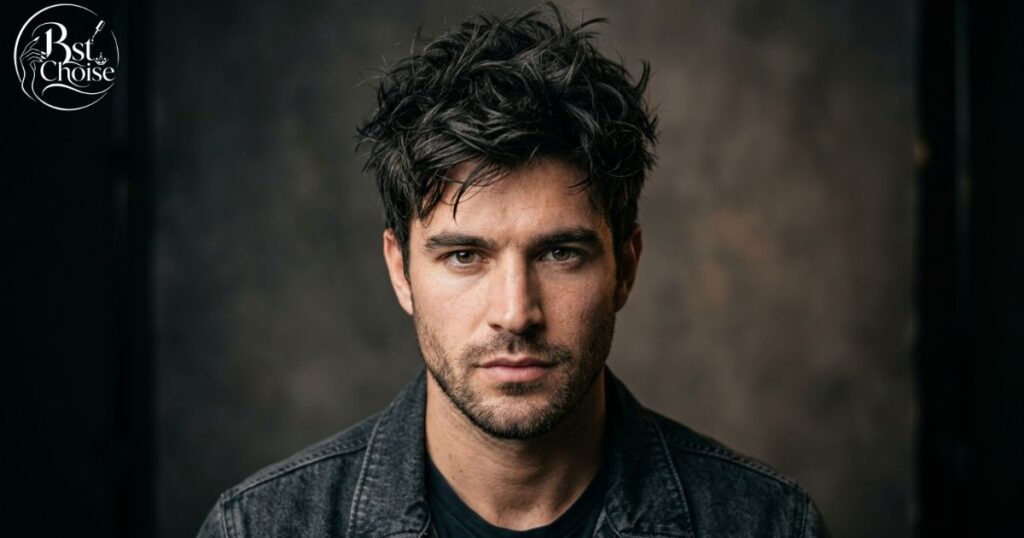
This is the crop that looks best slightly undone. Sharp lines and controlled volume are traded for relaxed separation and natural movement, the “bedhead that somehow still looks good” effect. It works especially well on naturally thick or wavy hair that already creates texture on its own.
Best For: Casual, everyday wear. Hair Types: Straight, thick, wavy. Face Shapes: Oval, round, diamond. Maintenance: Every 5 weeks. Styling Products: Matte clay or texture powder.
Pros
- Extremely low-effort styling
- Looks good even after a long day
- Casual without looking unkempt
Cons
- Loses its shape faster if trims get pushed back
18. Professional Textured Crop
Toned-down texture, cleaner edges, and controlled movement make this the version most likely to pass a strict corporate dress code. It keeps the crop’s modern feel without the exaggerated separation of more fashion-forward variations.
Best For: Office and client-facing roles. Hair Types: Straight, fine, thick. Face Shapes: Oval, square, heart. Maintenance: Every 4–5 weeks. Styling Products: Matte styling cream.
Pros
- Suits nearly any workplace
- Ages well across different age groups
- Quick, no-fuss styling
Cons
- More restrained than trend-driven versions of the crop

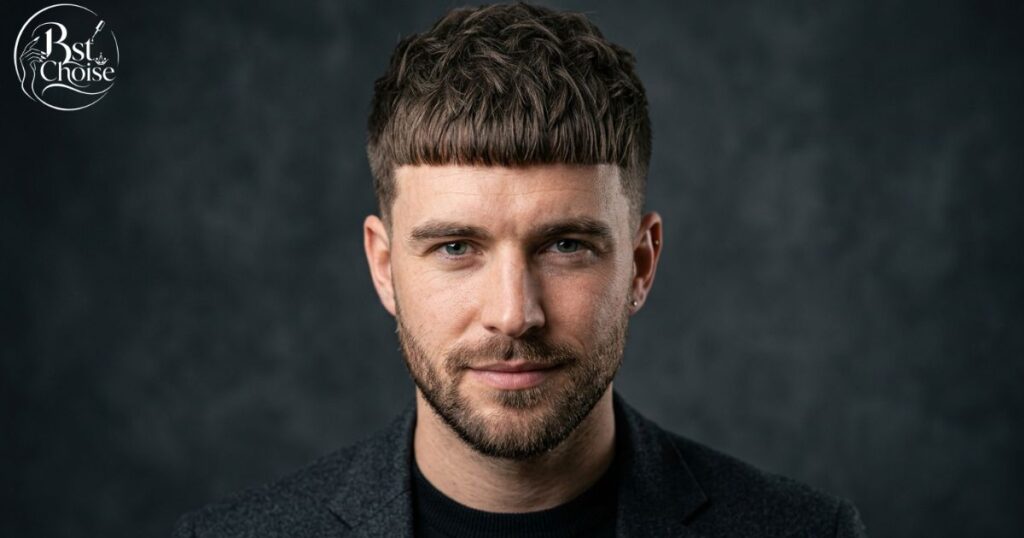
19. Modern Caesar Crop
The classic Caesar cut, short, uniform length with a straight fringe, gets a texture update here. Instead of a blunt line, the fringe is lightly layered, which adds depth while keeping the recognizable Caesar shape intact.
Best For: A timeless cut with a current edge. Hair Types: Straight, wavy. Face Shapes: Oval, round, heart. Maintenance: Every 4 weeks. Styling Products: Matte paste.
Pros
- Recognizable, classic shape
- Flatters receding hairlines and larger foreheads
- Simple to maintain
Cons
- Fringe needs frequent upkeep to stay defined
20. Contemporary Textured Crop
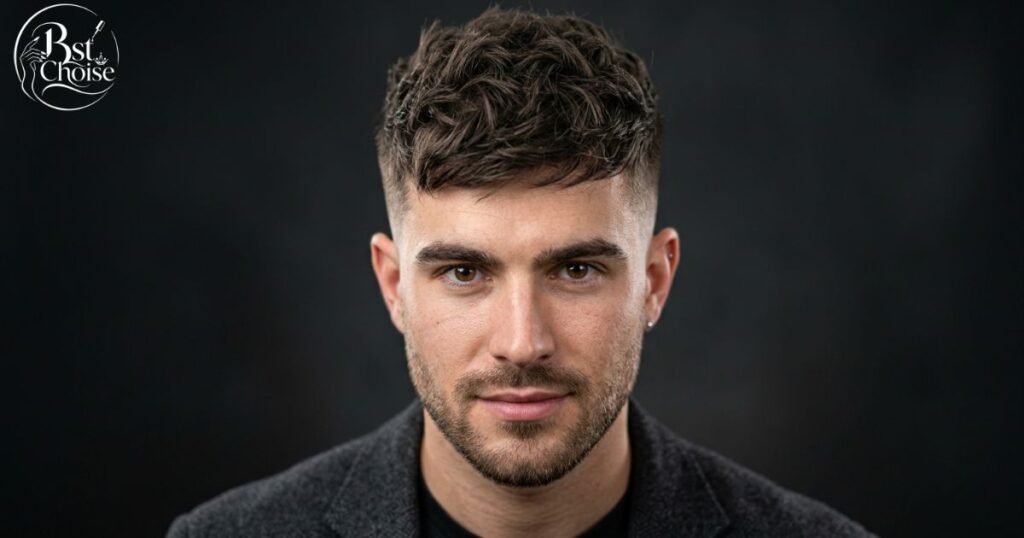
Less a single style and more a philosophy, this version is built entirely around your hair type, face shape, and daily routine rather than a fixed template. It’s the option to bring up with your barber once you know you like the textured crop family but want something that’s genuinely yours rather than copied from a photo.
Best For: A fully personalized haircut. Hair Types: Straight, wavy, curly, thick, fine. Face Shapes: All face shapes. Maintenance: Every 4–5 weeks. Styling Products: Matte clay, styling cream, or texture powder, depending on hair type.
Pros
- Tailored specifically to your features
- Adapts to virtually any hair type
- The most versatile entry on this list
Cons
- Only as good as the barber executing it
How to Choose the Right Textured Crop for Your Face Shape
| Face Shape | What to Look For |
| Oval | Almost any variation works, proportions are already balanced |
| Round | More height on top, tighter sides, to add visual length |
| Square | Softer texture to balance a strong jawline |
| Heart | Forward fringe or French-style crop to reduce forehead width |
| Diamond | Side-swept or slightly longer top to soften cheekbones |
| Long | Fuller sides and less height to avoid elongating the face further |
Who Should Avoid a Textured Crop?
The textured crop is one of the more universally flattering men’s haircuts, but it isn’t for everyone. It may not be the right call if you:
- Prefer longer hair you can tie back or style multiple dramatically different ways
- Don’t want to visit the barber every four to six weeks
- Work somewhere that requires a very traditional, uniform haircut
- Prefer a glossy, slicked-back finish over a matte, textured one
- Want maximum day-to-day styling variety that only comes with longer hair
How to Explain a Textured Crop to Your Barber
“Textured crop” means different things to different barbers, so specificity matters more than the name. When you sit down, try saying:
- “Leave enough length on top to show real texture, don’t cut it too short.”
- “Remove weight through layering, not just length.”
- “Keep the fringe soft, not blunt.”
- “Match the sides to [your preferred taper or fade level].”
- “I want something I can style at home in under five minutes.”
Bringing two or three reference photos of the same general style helps close any gap between what you’re describing and what your barber pictures.
Best Styling Products for a Textured Crop
The right product depends on your hair type and the finish you’re after, not just which one has the strongest hold.
Different Products Create Completely Different Finishes
| Product | Best For |
| Matte Clay | Strong hold with a natural, non-shiny texture |
| Texture Powder | Lightweight volume and separation |
| Sea Salt Spray | Relaxed, beach-style movement |
| Matte Paste | Flexible, everyday styling |
| Styling Cream | Softer, more polished, professional finish |
| Curl Cream | Defines curls while controlling frizz |
| Volumizing Mousse | Adds lift and fullness to fine hair |
Common Styling Mistakes to Avoid
A great haircut can still look mediocre with the wrong styling habits. Watch out for:
- Overloading on product, a small amount goes further than you’d expect.
- Using shiny pomades, they flatten texture instead of highlighting it.
- Skipping trims, texture only holds its shape for so long.
- Blow-drying on high heat, it dries out hair and damages definition over time.
- Fighting your natural direction, work with your hair’s growth pattern, not against it.
- Choosing the wrong variation for your hair type, a cut designed for thick hair won’t behave the same on fine hair.
Frequently Asked Questions
Is a textured crop good for thin hair?
Yes, targeted layering and a lightweight volumizing product make thin hair look noticeably fuller.
Does a textured crop require daily styling?
No. Most versions need only a small amount of matte product and a couple of minutes to style.
How often should I get a textured crop trimmed?
Every 4–5 weeks generally keeps the shape sharp, though faded versions may need attention closer to every 3–4 weeks.
Can older men wear a textured crop?
Yes, the professional and classic variations in particular suit men of any age.
Is a textured crop still trending in 2026?
Yes. It remains one of the most requested men’s haircuts because it balances modern style with everyday practicality.
Conclusion
The textured crop earns its popularity by being flexible rather than flashy. Whether you land on the Classic Textured Crop for everyday reliability, the French Textured Crop for a bit more structure, or the Contemporary Textured Crop built entirely around your own hair, the common thread is the same: less time styling, more of the look actually working for you.
Pick the variation that matches your hair type and face shape, bring a couple of reference photos to your next appointment, and be specific about what you want removed and what you want to keep. That’s the difference between a textured crop that looks accidental and one that looks like it was cut for you.

